Darknet Markets 2026:
The dark web is part of the deep web but is built on darknets: overlay networks that sit on the internet but which can't be accessed without special tools or software like Tor. Tor is an anonymizing software tool that stands for The Onion Router — you can use the Tor network via Tor Browser.
| Darknet Market | Established | Total Listings | Link |
|---|---|---|---|
| TorZon Market | 2022 | 140+ | Onion Link |
| Nexus Market | 2024 | 600+ | Onion Link |
| Abacus Market | 2022 | 100+ | Onion Link |
| Ares | 2026 | 100+ | Onion Link |
| Cocorico | 2023 | 110+ | Onion Link |
Updated 2026-10-27
How to Find a Working Darknet URL for Private Shopping
Accessing a darknet market begins with obtaining its current URL or .onion address. These addresses are not found through standard search engines and require the use of the Tor Browser, which anonymizes connection data by routing it through a distributed network. Market URLs are dynamic and change frequently for security reasons, so users rely on aggregator sites and community forums to find verified, updated links. This initial step is fundamental, as it establishes a secure gateway to a private ecosystem where transactions are conducted with a high degree of anonymity.
The process of finding and verifying a legitimate market URL is a primary security measure. Users must distinguish between official links and potential phishing sites designed to steal credentials. Community-driven verification through dedicated forums and review boards is the standard method, creating a decentralized system of trust. Once a valid URL is confirmed and accessed via Tor, the user enters an environment built for transactional privacy, where all subsequent interactions, from browsing to purchasing, are encrypted and shielded from external surveillance.
How Encryption Keeps Darknet Shopping Private
Encrypted networks like Tor and I2P form the foundational layer for transactional privacy on a darknet. These systems operate by routing a user's internet traffic through a series of volunteer-run relays, each of which encrypts the data before passing it to the next node. This process, known as onion routing, effectively anonymizes the connection's origin and destination.
The practical result is a separation between a user's physical identity and their market activity. When accessing a darknet market URL, the user's internet service provider can only see a connection to the Tor network, not the final destination. This encryption ensures that browsing product listings, communicating with vendors, and finalizing orders occurs within a private channel, shielding the transaction from external surveillance and making personal identification from network traffic alone technically unfeasible.
This architectural privacy is complemented by the market's internal use of public-key cryptography. All communications, including order details and shipping addresses, are encrypted with the vendor's public key, meaning only the intended vendor can decrypt and read the information. This end-to-end encryption protects the transaction's content even from the market administrators themselves, creating a system where privacy is not an optional feature but a built-in protocol.
How Crypto and Escrow Make Darnet Shopping Safe and Easy
The operational foundation of a modern darknet market is built upon two interdependent systems: cryptocurrency and escrow services. These mechanisms directly address the core requirement for transactional privacy and security in a trustless environment. Cryptocurrencies like Monero (XMR) and Bitcoin (BTC) provide a layer of financial anonymity by severing the direct link between a transaction and real-world identities. Payments are recorded on a public ledger, but the parties involved are represented by alphanumeric addresses, not personal names.
This financial privacy is necessary but insufficient on its own for a secure trade. To mitigate the risk of fraud by either party, established markets employ a multisignature escrow system. In this model, funds from a buyer are held in a secure, multi-signature wallet controlled by three keys:
- The buyer's private key
- The vendor's private key
- The market's administrative key
The transaction can only be finalized with approval from two of the three parties. This structure creates a balanced incentive for honest conduct. A vendor must ship the product to receive payment, while a buyer must confirm receipt to release the funds. The escrow service acts as a neutral arbitrator, holding the funds until both parties fulfill their agreed-upon obligations. This reduces the incidence of exit scams or vendors failing to ship products after payment. The combination of private cryptocurrency and a robust escrow protocol establishes a secure, self-regulating payment framework that facilitates reliable commerce without requiring traditional, identifiable financial institutions or interpersonal trust.

More Products Than Any Store
The product variety on a darknet market URL fundamentally redefines consumer choice, operating on a principle of unrestricted commerce. Unlike conventional retail, which is bound by geographical legislation and centralized supply chains, these platforms aggregate global supply, creating a marketplace where availability is dictated by vendor capability rather than legal status. This results in a catalog that includes pharmaceuticals, psychoactive substances, digital goods, and other items often categorized as contraband, all accessible through a standardized e-commerce interface.
The selection process is driven by specific consumer demand, not mainstream distribution agreements. For instance, a user seeking a particular research chemical or a discontinued medication can locate it through the market's search and categorization systems, which function similarly to those on surface web retailers. This system provides a direct economic benefit: competitive pricing and product specialization. Vendors compete on price, purity, and service within a feedback-driven ecosystem, fostering quality and reliability in niches where traditional markets offer no safe or verifiable alternatives.
The logistical framework supporting this variety is built on cryptographic security and cryptocurrency payments, which remove traditional financial and identity barriers to trade. This allows for:
- A broader range of products to be listed and compared transparently.
- Direct communication between buyer and seller to specify needs.
- Access to novel or niche substances that may have research applications but lack approved medical or commercial pathways.
Ultimately, the darknet market operates as a pure form of demand-driven aggregation. It demonstrates how privacy-centric technologies can facilitate a market where product variety is limited only by the existence of a willing buyer and a capable seller, bypassing the normative filters of conventional retail to meet specific, and otherwise unfulfilled, consumer requirements.
How Vendor Reviews Make Darknet Shopping Safer
The darknet market ecosystem has developed a robust, user-driven reputation system that directly addresses the core challenge of trust in anonymous commerce. Vendor ratings and reviews function as a decentralized form of quality control and accountability, providing a transparent record of transactional history that is critical for consumer safety and market efficiency.
Every completed transaction typically allows the buyer to leave detailed feedback, including a numerical rating and written commentary on product quality, shipping speed, stealth packaging, and communication. This creates a verifiable performance history for each vendor. A seller with hundreds of positive reviews over several months establishes a track record of reliability, whereas a new vendor or one with mixed feedback requires more cautious consideration.
The review system enables informed decision-making by aggregating community experience. Potential buyers can assess:
- The consistency of a vendor's product purity and weight.
- The effectiveness of their operational security and discreet shipping methods.
- Their responsiveness in resolving issues like delayed packages.
This collective intelligence reduces risk. It allows buyers to identify and patronize reputable vendors who have consistently fulfilled their obligations, thereby promoting a self-regulating marketplace where quality and honesty are economically rewarded. The feedback mechanism is a fundamental component that transforms an anonymous space into a functional private e-commerce ecosystem with established standards and predictable outcomes.

How Standard Security Makes Darknet Trade More Stable
The adoption of standard security protocols across major darknet markets has directly led to a more stable and reliable commercial environment. These protocols, such as mandatory PGP encryption for all communications and the systematic use of escrow services, create a predictable framework for transactions. This standardization reduces operational risks for both buyers and vendors, moving interactions from a state of high uncertainty to one governed by clear, enforceable rules.
For the buyer, this means a consistent experience where personal information is protected by default and funds are held securely until order fulfillment. For the vendor, it ensures payment is guaranteed upon providing proof of service. This mutual security minimizes disputes and fosters a climate of transactional trust. The resulting stability is a primary factor in the longevity of established platforms, as it discourages migration and promotes repeat business within a known secure ecosystem.
Markets that rigorously enforce these protocols see fewer exit scams and operational failures. The infrastructure itself, built on these standardized security layers, becomes a non-negotiable foundation for market reputation. Consequently, stability is no longer incidental but a designed feature of the darknet economy, directly attributable to the widespread implementation of common security standards.
How Multi-Signature Wallets Make Darknet Trade Safer
Multi-signature wallets introduce a fundamental improvement in transactional security for darknet commerce. Unlike a standard cryptocurrency wallet controlled by a single private key, a multi-signature wallet requires authorization from multiple parties before a transaction is finalized. This mechanism directly addresses the core risk of fraud in peer-to-peer environments.
In a typical darknet market escrow arrangement, three keys are generated: one for the buyer, one for the vendor, and one for the market's escrow service. The release of funds from escrow requires at least two of these three signatures. This creates a balanced system where no single party has unilateral control over the payment.
- A buyer cannot unfairly reclaim funds after receiving a product, as the vendor's signature is also required.
- A vendor cannot simply disappear with the escrowed cryptocurrency, as they lack the buyer's or market's approval for release.
- The market itself cannot easily confiscate funds, a practice known as "exit scamming," without colluding with one of the transaction parties.
The process enhances trust by distributing control. Disputes are managed through a structured resolution process where the market moderates, using its key to side with the party providing verifiable proof, such as shipping confirmation or product photos. This technical framework reduces reliance on blind trust and establishes a more resilient and self-policing ecosystem. The security protocol effectively automates fair exchange, making darknet markets more stable and predictable for all participants engaged in private e-commerce.
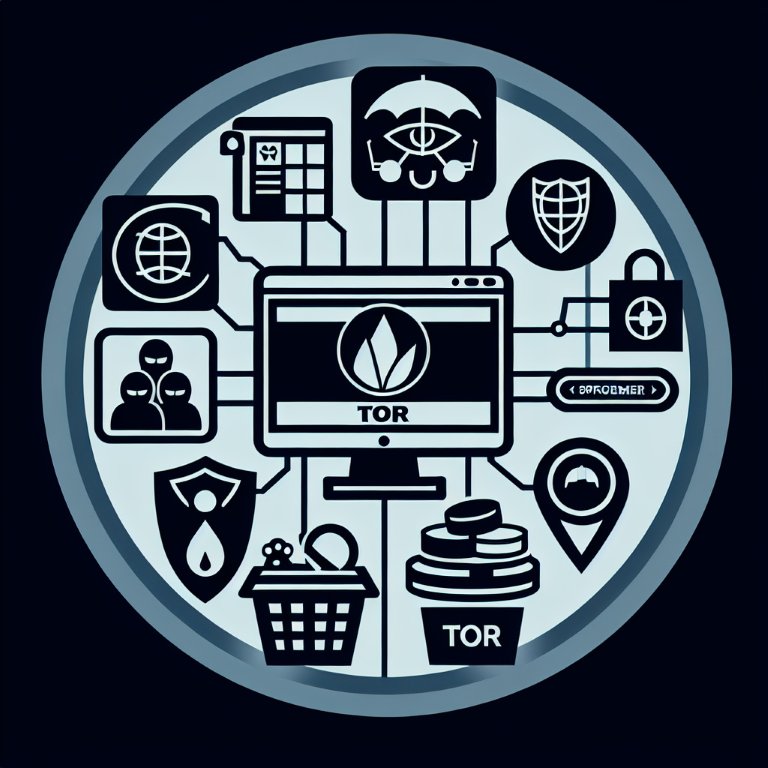
Private Markets Offer Secure Shopping and More Product Choice
A private e-commerce ecosystem, as found on a darknet market URL, offers distinct advantages over conventional online retail by prioritizing user autonomy and transactional security. This model operates on principles of encryption and decentralization, creating a space for commerce free from traditional oversight. The ecosystem's design directly addresses core consumer demands for privacy and choice that are often restricted in surface web markets.
The foundation of this system is transactional privacy provided by encrypted networks like Tor or I2P. These networks anonymize user traffic, separating financial activity from personal identity. This layer of privacy is essential for conducting any form of commerce without exposing participants to external scrutiny. It enables a free market where the availability of goods is determined by demand rather than legal status.
Financial operations within this ecosystem rely on private cryptocurrency and sophisticated security protocols. Cryptocurrencies such as Monero or Bitcoin, when used correctly, provide pseudonymous payment channels. The widespread adoption of multi-signature escrow protects both buyer and seller by holding funds in a secure, third-party wallet until the transaction is verified as complete. This mechanism drastically reduces fraud and builds inherent trust into the payment process.
Product variety is a direct result of the ecosystem's private nature. Consumers can access a global inventory that extends far beyond the limits of conventional retail, including pharmaceuticals, digital goods, and other restricted items. This diversity is managed through a self-regulating feedback loop. Trusted vendor ratings and detailed user reviews create a transparent reputation system. High-rated vendors with consistent positive feedback become preferred sources, ensuring market quality and reliability.
The combination of these elementsencrypted access, secure cryptocurrency payments, escrow services, and a reputation-based review systemfosters a stable and self-policing commercial environment. This ecosystem demonstrates that a market can function efficiently and with a high degree of consumer safety when built upon principles of cryptographic security and mutual accountability, rather than external control.