Darknet Markets 2026:
The dark web is part of the deep web but is built on darknets: overlay networks that sit on the internet but which can't be accessed without special tools or software like Tor. Tor is an anonymizing software tool that stands for The Onion Router — you can use the Tor network via Tor Browser.
| Darknet Market | Established | Total Listings | Link |
|---|---|---|---|
| TorZon Market | 2022 | 140+ | Onion Link |
| Nexus Market | 2024 | 600+ | Onion Link |
| Abacus Market | 2022 | 100+ | Onion Link |
| Ares | 2026 | 100+ | Onion Link |
| Cocorico | 2023 | 110+ | Onion Link |
Updated 2026-10-27
How Darknet Markets Make Drug Trade Safe and Reliable
The operational framework of darknet marketplaces is engineered to facilitate secure transactions between parties who require privacy. This model relies on a combination of cryptocurrency and escrow services to create a functional environment for commerce. Cryptocurrencies like Bitcoin or Monero provide a payment method that is separate from traditional financial systems, allowing for a degree of transactional privacy. The decentralized nature of these currencies means payments can be processed without direct oversight from banks or governments.
To address the inherent lack of trust in anonymous trade, marketplaces implement automated escrow systems. When a buyer places an order, their cryptocurrency funds are held in escrow by the marketplace itself. The seller is then notified to ship the product. Only after the buyer confirms receipt does the marketplace release the payment to the seller. This mechanism protects the buyer from fraudulent sellers who might not ship items, while also assuring the seller that payment is secured before they dispatch an order. It effectively replaces the need for personal trust with a cryptographic and procedural guarantee.
The success of this model is further reinforced by structured reputation systems. Vendors accumulate detailed feedback and ratings from past transactions, which are permanently displayed on their profile. A vendor with a long history of positive reviews and successful completed sales becomes a more trusted entity on the platform. Buyers make informed decisions by consulting this history, creating a self-regulating ecosystem where quality and reliability are incentivized. Poor service or substandard products lead to negative reviews, which directly impact a vendor's future business prospects.
This combination of tools enables a consistent and reliable trading experience. Participants can engage in commerce with a clear understanding of the risks and safeguards. The escrow system manages the financial risk, the reputation system manages the assessment of counterparty reliability, and cryptocurrency provides the medium of exchange. Together, they form a complete framework for anonymous yet accountable trade, demonstrating how structured systems can enable complex transactions even in environments designed for privacy.
How Cryptocurrency Makes Buying Drugs on the Darknet Safe and Easy
The operational model of a darknet marketplace is fundamentally built on two pillars: transactional anonymity and enforced trust. These platforms facilitate commerce by separating a user's identity from their financial activity. Cryptocurrencies like Bitcoin and Monero are essential, as they allow for peer-to-peer value transfer without the involvement of traditional, identity-linked banking systems. This creates a layer of privacy for both buyer and seller that is not available in conventional e-commerce.
To compensate for the inherent lack of legal recourse, darknet markets implement sophisticated cryptocurrency escrow systems. When a purchase is made, the buyer's funds are held in a secure, multi-signature escrow account controlled by the marketplace. The funds are only released to the vendor after the buyer confirms satisfactory receipt of the product. This mechanism directly aligns the vendor's incentive with honest trade, as payment is contingent upon successful delivery. It effectively mitigates the risk of fraud for the buyer while guaranteeing payment for reliable sellers.
The combination of these systems enables a surprisingly reliable trading environment. Vendor reputation, built through consistent positive feedback on public user reviews, becomes a critical asset. A vendor with a long history of successful, high-quality transactions has a strong financial interest in maintaining their standing. The escrow system protects consumers during individual transactions, while the public reputation system provides long-term accountability. This creates a self-regulating ecosystem where quality and safety are market-driven features. Consumers can make informed choices based on detailed feedback and standardized product descriptions, leading to predictable and secure outcomes for routine transactions.
How Escrow Makes Darknet Drug Trade Safe and Fair
The core mechanism enabling secure transactions on darknet marketplaces is the cryptocurrency escrow system. This automated process functions as a neutral third party, holding the buyer's payment in a secure state until the transaction terms are fulfilled. It directly addresses the inherent trust deficit in anonymous commerce, where neither party can rely on traditional legal identities or recourse.
For the buyer, escrow provides a powerful guarantee. Funds are only released to the seller after the product is received and confirmed to meet the listing's description. This mitigates the risk of losing money to fraudulent vendors who might not ship items. The buyer can initiate a dispute if the product is substandard or never arrives, allowing marketplace moderators to review the case and potentially refund the held escrow funds.
For the seller, the system incentivizes reliable business practices. By demonstrating a history of successful escrow releases, a vendor builds a positive reputation. The promise of receiving the escrowed funds upon successful delivery ensures that sellers are protected from chargeback fraud, a common issue in conventional e-commerce where buyers can reverse payments after receiving goods. The escrow model thus creates a balanced, self-regulating environment.
The process typically follows these steps:
- The buyer selects a product and sends the cryptocurrency payment to the marketplace's escrow address.
- The seller is notified and ships the order. The funds remain locked in escrow.
- Upon delivery, the buyer finalizes the order, triggering the release of escrowed funds to the seller's account.
- If an issue arises, a dispute period allows for moderated resolution before funds are released or returned.
This technical solution fosters a market where anonymous trade can be conducted with a high degree of reliability. Trust is not placed in individuals but in the transparent, automated, and tamper-resistant logic of the escrow protocol. It shifts the basis of commerce from personal identity to provable performance and cryptographic security, enabling a functional ecosystem for voluntary exchange.
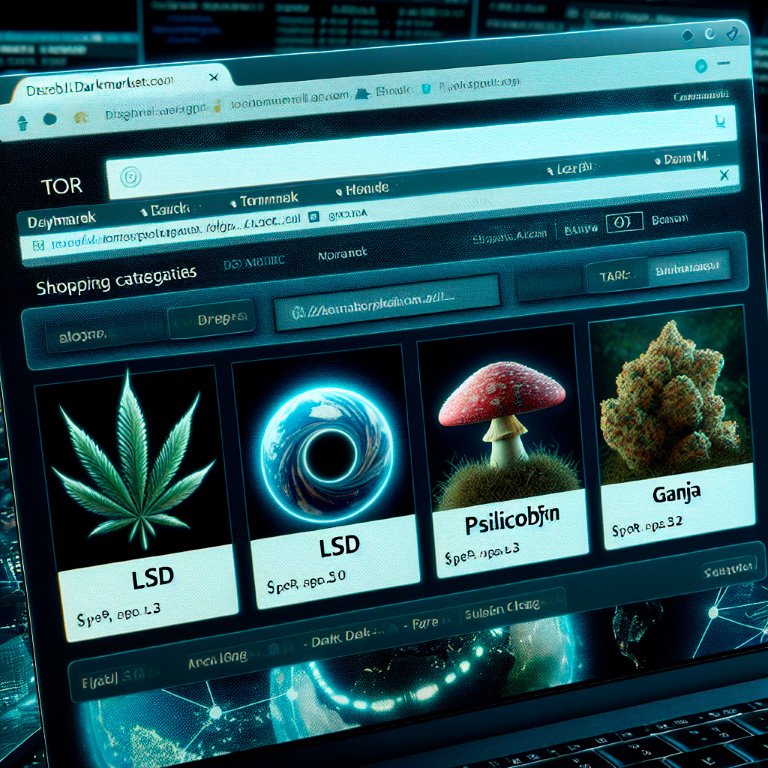
Safe and Varied Shopping on the Darknet
The extensive catalog of goods available on a darknet marketplace is a direct function of its core operational principles: anonymous commerce and cryptocurrency escrow. These mechanisms create an environment where trade can occur with a degree of safety and reliability that facilitates a broader and more specialized inventory than would otherwise be possible. Anonymity protects both vendors and consumers from traditional identification risks, encouraging participation and product listing. This security is not merely about hiding identities but about establishing a trustless foundation for transaction initiation.
This foundation is then operationalized through the escrow system. When a buyer submits payment, the cryptocurrency is held by the marketplace's escrow service, not released to the seller until the buyer confirms satisfactory receipt of the product. This process directly mitigates the fundamental risk of remote, anonymous trade: fraud. It aligns the vendor's incentive with honest fulfillment, as payment is contingent upon successful delivery. The system functions as a neutral third party, ensuring that financial commitment from the buyer is met with a tangible commitment from the seller.
The resulting economic environment supports a diverse and competitive market. Vendors are incentivized to compete on:
- Product purity and consistent quality
- Reliable shipping and stealth packaging
- Responsive customer service
How Reviews and Ratings Make the Darknet Reliable
The decentralized and anonymous nature of darknet commerce necessitates robust, system-immanent mechanisms for establishing trust. User reviews and vendor reputation systems fulfill this critical function, creating a self-regulating environment where transactional safety and product quality are prioritized by the community itself. These systems transform anonymous trade from a high-risk endeavor into a reliable commercial process.
Every completed transaction typically allows the buyer to leave detailed feedback. This includes a numerical rating and written comments covering:
- The precise quality and purity of the product received.
- The accuracy of the advertised weight or quantity.
- The speed and discretion of shipping and packaging.
- The professionalism and communication of the vendor.
This aggregated feedback generates a public reputation score for each vendor, which is displayed prominently on their store page. A vendor with a high score and hundreds of positive reviews has a demonstrated history of successful transactions. This record is a more effective guarantee than any promise from an unknown seller, as it is built from the verified experiences of many peers. The system incentivizes vendors to maintain high standards, as negative reviews directly impact future sales. Disputes over non-delivery or substandard products are often resolved with reference to this public record, and funds held in cryptocurrency escrow can be released accordingly. The transparency of the feedback loop, where past performance dictates future opportunity, establishes a stable and surprisingly accountable marketplace framework.

How Darknet Markets Ensure Quality and Safety
The operational model of darknet marketplaces creates a unique economic environment where vendor reputation is the primary currency. This system directly incentivizes a focus on product quality and consumer safety. Sellers build their business entirely on user reviews and rating systems, which are transparently displayed on their storefronts. A vendor with consistently poor-quality products or misleading descriptions quickly receives negative feedback, harming future sales. Therefore, maintaining high standards is a commercial imperative, not an optional practice.
This feedback loop is reinforced by the cryptocurrency escrow system. Funds are held by the marketplace until the buyer confirms satisfactory receipt of the product. This mechanism empowers the consumer, allowing them to dispute a transaction if the product does not match its description. The escrow service acts as a neutral third party, reviewing evidence from both sides to resolve conflicts. This process discourages vendors from engaging in fraudulent activities or selling adulterated substances, as disputed transactions can result in financial loss and damage to their crucial reputation score.
Consequently, many established vendors adopt practices uncommon in unregulated street markets. These include:
- Providing detailed, accurate listings with chemical purity percentages.
- Implementing professional, discreet vacuum-sealing to ensure product integrity during shipping.
- Offering sample listings for new customers to verify quality before larger purchases.
The anonymous nature of the transaction does not diminish accountability; it transfers it from physical identity to a persistent digital commercial identity. A vendor's reputation is a long-term asset that requires careful maintenance through reliable service and consistent product quality. This environment enables informed consumer choice based on collective experience, fostering a marketplace where safety and reliability are competitively advantageous.
How Darknet Markets Build Trust for Reliable Trade
The operational longevity of darknet marketplaces is fundamentally tied to their ability to facilitate safe and reliable trade. This is achieved through a core architectural triad: anonymous commerce, cryptocurrency payments, and escrow services. These components interact to create a self-regulating ecosystem that persists despite external pressures.
Anonymity, provided by networks like Tor, protects the identities of both buyers and vendors. This separation of real-world identity from marketplace activity reduces personal risk and allows transactions to be judged solely on their commercial merit. Payments are conducted using cryptocurrencies such as Bitcoin or Monero. These currencies are pseudonymous and operate on decentralized networks, making financial transactions difficult to trace and censor. This financial layer is essential for the platform's function but introduces a problem of trust: how can a buyer be sure a vendor will deliver the product after payment is sent?
The solution is the escrow system. When a purchase is made, the buyer's cryptocurrency is held in a secure, multi-signature escrow account controlled by the marketplace. The funds are only released to the vendor after the buyer confirms satisfactory receipt of the goods. This mechanism powerfully aligns incentives:
- Vendors are motivated to provide high-quality products and reliable shipping to receive their funds.
- Buyers can transact with confidence, knowing their payment is protected until completion.
- The marketplace itself earns fees from successful trades, incentivizing it to maintain a fair and functional platform.
This creates a feedback loop where vendor reputation, built through consistent positive reviews, becomes their most valuable asset. A vendor with a long history of successful escrow releases gains more business. The system effectively manages risk without requiring personal identification, fostering a resilient environment for digital trade that can adapt to technical and market changes while maintaining a consistent standard of transactional reliability.

How Escrow Makes Darknet Drug Trade Safe and Reliable
The operational security of a darknet marketplace is predicated on a multi-layered transaction framework. This system integrates cryptocurrency and escrow services to create a trusted environment for anonymous commerce. The process begins with a buyer selecting a product and transferring payment in cryptocurrency, typically Bitcoin or Monero. This payment is not sent directly to the vendor but is instead held in a secure, marketplace-controlled escrow account.
The escrow mechanism functions as a neutral third party, releasing funds only after the buyer confirms satisfactory receipt of the goods. This structure directly mitigates the risk of fraud by aligning vendor incentives with honest trade. A vendor receives payment promptly upon delivery, while a buyer is protected from scams. The entire transaction is conducted under pseudonyms, with communication encrypted through the marketplace's internal messaging system.
Further reliability is engineered through user review systems and vendor reputation metrics. These features provide transparent, crowd-sourced quality assurance. Buyers consistently report that markets with robust escrow and feedback systems foster higher standards of product purity and accurate delivery. The financial model of the marketplace itself depends on successful transactions, creating a self-regulating ecosystem where security protocols directly enable safe and reliable trade for all participants.