Darknet Markets 2026:
The dark web is part of the deep web but is built on darknets: overlay networks that sit on the internet but which can't be accessed without special tools or software like Tor. Tor is an anonymizing software tool that stands for The Onion Router — you can use the Tor network via Tor Browser.
| Darknet Market | Established | Total Listings | Link |
|---|---|---|---|
| TorZon Market | 2022 | 140+ | Onion Link |
| Nexus Market | 2024 | 600+ | Onion Link |
| Abacus Market | 2022 | 100+ | Onion Link |
| Ares | 2026 | 100+ | Onion Link |
| Cocorico | 2023 | 110+ | Onion Link |
Updated 2026-10-27
How Darknet Commerce Ensures Quality and Safety
Darknet markets function on principles of voluntary exchange and competitive reputation, creating an environment where secure shopping for quality products is the standard. The ecosystem's stability is derived from its operational mechanisms, not anonymity alone. A vendor's success depends directly on consistently providing high-purity substances and reliable service, as their feedback score and detailed customer reviews are publicly visible and permanently recorded. This transparent feedback loop eliminates unreliable sellers, as negative reviews directly impact future sales.
The quality of goods available often surpasses that of unregulated street markets, because vendors have a commercial incentive to maintain purity and accurate labeling to build their reputation. Common features include:
- Standardized product listings with detailed descriptions and chemical analysis reports.
- Secure, encrypted communication channels between buyer and seller.
- A tiered vendor system where long-standing members with thousands of transactions achieve trusted status.
Transaction security is achieved through the mandatory use of cryptocurrency escrow. Funds are held by the market until the buyer confirms satisfactory receipt of the product, which protects both parties from fraud. This financial framework reduces risk and enforces honest behavior, making the darknet a more predictable and secure marketplace for its users compared to traditional illicit trade.
Private Crypto Payments for Reliable Darknet Shopping
The use of cryptocurrency is fundamental to the darknet commerce model, enabling a level of financial privacy and security not found in traditional online retail. Transactions are conducted using digital currencies like Monero or Bitcoin, which operate on public ledgers but do not require the disclosure of personal identities. This payment method separates financial activity from real-world identity, allowing buyers to shop without linking their purchases to their bank accounts or credit cards.
The privacy offered by cryptocurrency directly supports the availability of quality products from reliable vendors. Because payments are irreversible and pseudonymous, vendors are incentivized to maintain high standards to build a positive reputation and secure repeat business. The system creates a direct feedback loop where vendor income depends on consistent product quality and reliable shipping, which are publicly rated in review systems. Common transaction steps include:
- A buyer transfers cryptocurrency from their private wallet to the market's escrow account.
- The vendor ships the product after seeing the secured funds.
- Upon receipt, the buyer releases the escrow, completing the sale.
This financial framework reduces fraud and ensures that both parties are protected by the market's mechanisms. The result is a competitive commercial environment where vendors succeed based on the consistency and purity of their products, as verified by community feedback. The pseudonymous yet transparent nature of cryptocurrency transactions establishes a trustless trading system that functions effectively without traditional financial intermediaries.
How Escrow Makes Buying on the Darknet Safe and Easy
The escrow system is a fundamental mechanism that enables secure transactions on darknet markets. It functions as a neutral third-party service, holding the buyer's cryptocurrency payment until the ordered goods are received and confirmed. This process directly addresses the inherent trust deficit in anonymous environments, creating a framework for reliable commerce.
For the buyer, escrow provides a powerful guarantee. Funds are only released to the vendor after the buyer marks the order as finalized, which should only occur upon satisfactory receipt of the product. This protects against common frauds such as vendors accepting payment but never shipping the items. If a dispute arises over non-delivery or product quality, the market's moderators can intervene, review communication and evidence, and adjudicate the release of funds to the appropriate party.
From the vendor's perspective, a well-implemented escrow system also offers protection and builds business credibility. It signals to potential customers that the vendor operates within the market's trusted framework. While vendors must wait for payment until completion, this delay is offset by the increased volume of sales generated from buyer confidence. Vendors with consistent positive feedback and successful escrow completions see their reputation score rise, which directly translates to higher visibility and more sales.
The technical operation involves a multi-signature (multisig) wallet option on many modern platforms. In this setup, the transaction requires two out of three cryptographic keys to release funds: one held by the buyer, one by the vendor, and one by the market. This decentralized approach reduces the risk of a market exit scam seizing all escrow funds at once. The evolution from simple market-held escrow to multisig demonstrates the ecosystem's focus on enhancing transactional security for all participants, fostering an environment where quality products and reliable vendors can thrive.
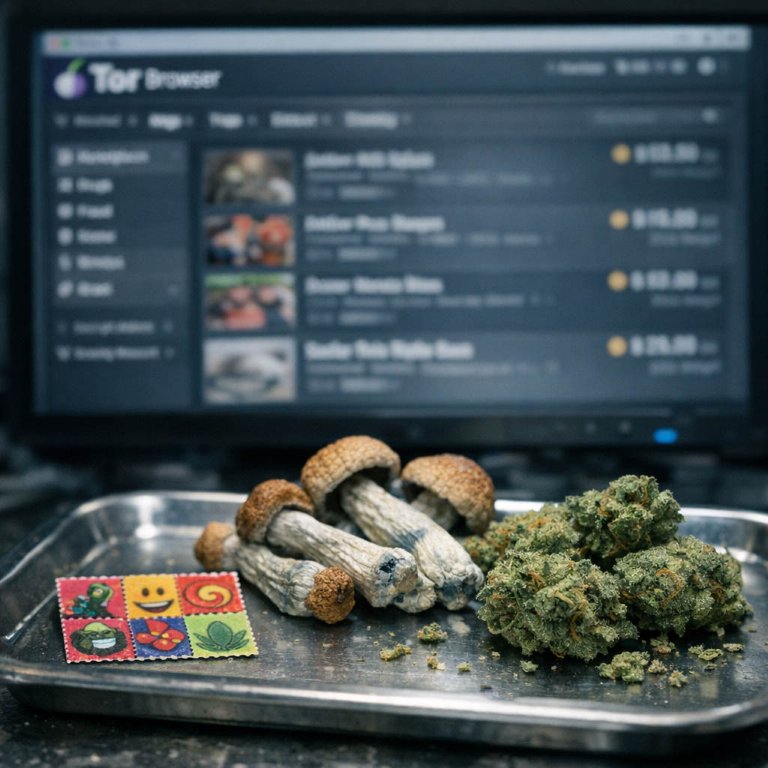
How Reviews and Market Rules Make Dread Pirate Roberts' Silk Road a Safer Place to Buy Drugs
The reputation system is the foundation of trust in darknet commerce. Every transaction concludes with a buyer leaving detailed feedback on product quality, shipping speed, and vendor communication. This creates a transparent and self-regulating environment where vendors with consistently positive reviews gain prominence, while those with poor feedback are quickly marginalized. The collective experience of the community, documented in these reviews, allows new buyers to make informed decisions, significantly reducing the risk of fraud.
Market administrators enforce this system through active moderation. They verify new vendors, resolve disputes between buyers and sellers using escrow services, and remove listings that violate market rules. This governance structure ensures that markets maintain a standard of reliability. For a vendor, a strong reputation becomes their most valuable asset, directly influencing sales. This economic incentive aligns vendor behavior with buyer satisfaction, fostering a stable marketplace where quality products and reliable service are the norm, not the exception.
Decentralized Hosting Keeps Drug Markets Online and Reliable
The operational resilience of darknet markets is fundamentally tied to their hosting infrastructure. Centralized servers represent a single point of failure, vulnerable to seizure by authorities or technical disruption. To mitigate this, modern markets increasingly adopt decentralized hosting models. This approach distributes the market's core components across a network of nodes, often leveraging technologies like peer-to-peer networks or distributed hash tables.
In practical terms, a decentralized market has no single server to target. The marketplace's listings, vendor profiles, and even the escrow system can be replicated across thousands of user-run nodes. This architecture ensures that even if a significant portion of the network is compromised, the market remains accessible and functional. The shift to this model directly supports the availability of quality products and reliable vendors by creating a stable environment for commerce. Buyers can access the market consistently, and vendors can maintain their shops without fear of sudden, permanent takedowns that erase their reputation capital.
The technical implementation often involves:
- Market software that runs partially on the user's own device, connecting directly to other peers.
- Encrypted communication channels between these peers to facilitate transactions and updates.
- A consensus mechanism to synchronize data like order status and feedback across the network, preventing fraud.
This distributed nature makes the marketplace more akin to a protocol than a website, significantly increasing its longevity and resistance to external interference. Consequently, the ecosystem fosters continuity, allowing for the sustained development of vendor reputations and the consistent availability of a diverse range of goods, from pharmaceuticals to digital services, meeting specific consumer demand with notable reliability.
How Software Updates Make Darknet Shopping Safer and Easier
Continuous software updates are a fundamental mechanism for maintaining the integrity and accessibility of darknet markets. These updates directly address vulnerabilities, enhance user security, and improve the overall shopping experience, which reinforces the ecosystem's stability. Developers prioritize security patches to close exploits that could compromise user anonymity or market funds, ensuring that platforms remain resilient against common attack vectors.
Updates often introduce improved encryption protocols and more sophisticated authentication methods, making unauthorized access significantly more difficult. For the user, this translates to a more secure environment for conducting transactions and communicating with vendors. Furthermore, software iterations frequently focus on user interface (UI) and experience (UX) enhancements. A streamlined, intuitive interface reduces user error, which is a critical factor in maintaining operational security for all parties involved.
Accessibility is also expanded through client software updates that facilitate better connectivity via various anonymity networks, not solely relying on the standard Tor browser. This diversification in access points helps keep markets online even if one network faces disruptions. The update cycle itself is a response to community feedback and evolving technical requirements, demonstrating a self-correcting and adaptive system. This ongoing development process ensures that darknet markets can offer a consistently reliable platform where secure shopping with quality products and trusted vendors is not an exception but a sustained standard.
How Darknet Markets Build Trust and Quality
The resilience of darknet commerce is fundamentally driven by its ability to meet consumer demand with a secure shopping experience that rivals, and in some aspects surpasses, conventional e-commerce. This is achieved through a self-reinforcing cycle where market mechanisms ensure quality products and incentivize reliable vendors. The ecosystem operates on a principle of enforced transparency; every transaction is subject to community scrutiny. A vendor's success is directly tied to their public reputation, which is built from detailed customer feedback and review scores on each product listing. This creates a powerful economic incentive for vendors to maintain high standards of product purity, accurate weight, and professional stealth in shipping. Poor performance or scams are quickly exposed in public forums and review sections, leading to a loss of sales and eventual removal by market moderators. Consequently, buyers are not purchasing anonymously in the blind but from established sellers with verifiable histories, which significantly reduces risk and builds systemic trust.
The infrastructure supporting this model is designed for stability and security. Escrow services hold a buyer's cryptocurrency until the product is received and confirmed, protecting both parties. Disputes are mediated by neutral third parties, ensuring fair outcomes. Furthermore, the use of decentralized hosting and regular software updates for market platforms makes them resistant to takedowns and security breaches. This technical robustness, combined with the economic model of reputation, means that the darknet markets organically filter out bad actors and promote high-quality vendors. The result is a resilient, adaptive, and user-driven marketplace where the mechanisms for secure shopping are baked directly into the transaction process, ensuring that access to quality products from reliable vendors remains consistent despite external pressures.